Learn how WUSOM is shaping the next generation of physicians through an outcomes-driven, learner-centered educational model.
Medical education is undergoing profound transformations as healthcare systems demand physicians who are not only knowledgeable but also clinically competent, adaptable, and patient-centered. Unlike traditional education models that focus heavily on time-based progression, Competency-Based Medical Education (CBME) emphasizes the mastery of essential medical competencies before advancement.
This modern approach ensures that future doctors develop the practical skills, clinical judgment, communication abilities, and professional behaviors necessary to deliver safe and effective patient care. At Windsor University School of Medicine, CBME reflects a commitment to preparing medical students for the realities of modern healthcare through measurable outcomes, continuous assessment, and hands-on clinical readiness.
At WUSOM, we believe that CBME plays a critical role in preparing future doctors to become confident, practice-ready physicians capable of delivering high-quality healthcare in an increasingly dynamic medical landscape.
Let’s explore the Competency-Based Medical Education (CBME) model in detail and how Windsor University School of Medicine leverages it to prepare future physicians for the evolving demands of modern medical practice.
Understanding Competency-Based Medical Education
Traditional medical training has long been built on a single principle: spend enough time in a program, and you earn the credentials to practice. But time in a classroom does not equal skill at the bedside. CBME fundamentally reorients this logic.
Competency-Based Medical Education (CBME) is an outcomes-driven educational model that shifts the focus from time spent to the actual mastery of specific clinical, technical, and professional skills.
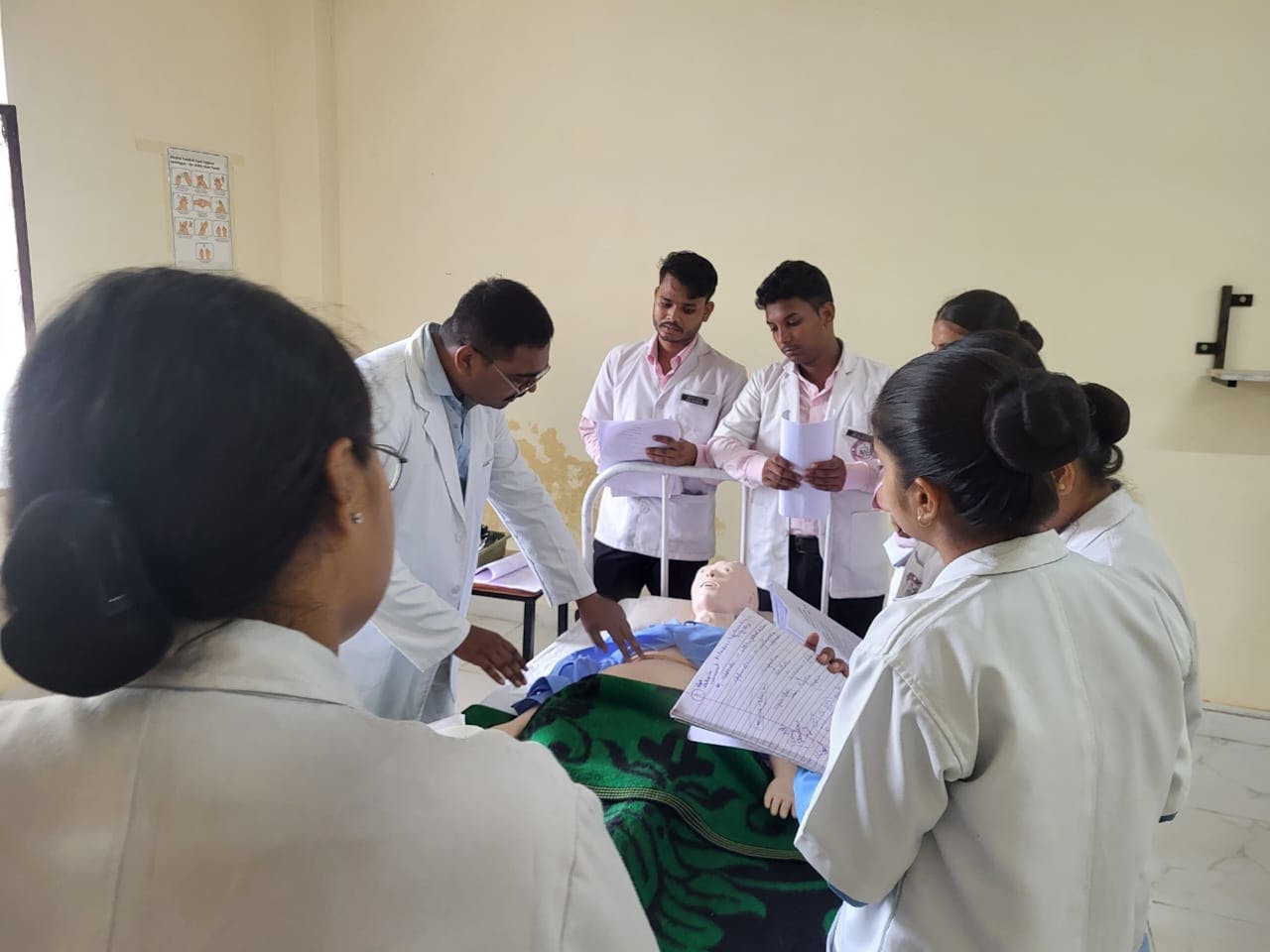
Under this education model, every student must demonstrate real, verifiable competence before progressing in procedures, communication, ethics, evidence-based reasoning, and professionalism alike. Students develop and demonstrate measurable abilities that directly translate into patient care and clinical performance. A graduate of a CBME program does not simply possess a degree; they possess a documented set of capabilities verified at every stage of training.
Why CBME Matters for Tomorrow’s Physicians
CBME directly addresses the well-documented gaps left by time-based curricula. Here is how it transforms medical training for the better:
Patient Safety First
Practitioners are rigorously evaluated on real-life clinical scenarios before independent practice, reducing errors and improving outcomes for every patient.
Flexible, Learner-Centered Progress
Students advance when they are ready, not when the calendar says so. Those who need more time get it; those who excel may take on advanced goals sooner.
Continuous Formative Assessment
Frequent, low-stakes assessments with real-time feedback replace the one high-stakes exam model, helping students reflect and adapt throughout training.
Holistic Development
Beyond clinical procedures, CBME assesses communication, teamwork, empathy, ethics, and professionalism, the full constellation of skills a great physician needs.
Lifelong Learning Mindset
By requiring active engagement with personal milestones, CBME instills self-directed learning habits that carry through an entire medical career.
Adaptable to Modern Medicine
As healthcare evolves with new technologies and challenges, CBME frameworks can rapidly update competency standards to keep training relevant and current.
The Building Blocks of CBME
The CBME framework relies on three interconnected conceptual tools that together define what a physician must know, do, and demonstrate:
1. Competencies
Broad domains, such as patient care, medical knowledge, communication, professionalism, and systems-based practice, that every physician must master.
2. Milestones
Behavioral markers that map a developmental roadmap from novice to expert within each competency domain, giving both faculty and learners a shared language of progress.
3. Entrustable Professional Activities (EPAs)
Observable, real-world clinical tasks, such as performing a physical exam or interpreting diagnostic results, are entrusted to a trainee once sufficient competency has been verified.
Together, these three elements ensure that assessment is always grounded in real medical practice, not abstract theoretical knowledge alone.
The goal of medical education is not the structure of a training program; it is the consistent, demonstrated mastery of the outcomes that allow a physician to serve their patients safely and effectively.
How WUSOM Embraces the CBME Model
At Windsor University School of Medicine, CBME is not an aspirational framework; it is the operating standard. We have built our curriculum, assessments, and faculty development around the principles of competency-based training, ensuring that every WUSOM graduate is genuinely ready for the demands of modern medical practice.
WUSOM · CBME Commitments
How do we put these principles into practice
-
Faculty Training and Sensitization
Our educators are continuously trained in CBME principles, EPA design, and milestone-based assessment, ensuring that every instructor can provide meaningful, developmental feedback.
-
Constructively Aligned Curriculum
WUSOM uses curriculum mapping to ensure that every teaching activity, assessment tool, and learning objective is aligned to a verified competency with no gaps, no duplications, and no missed milestones.
-
Frequent Formative Assessment with Feedback Loops
Rather than relying solely on end-of-term summative exams, WUSOM integrates regular, structured formative assessments across all years of training, with built-in coaching and self-reflection exercises.
-
Clinical Skills and Soft Skills Parity
Our CBME approach treats communication, ethics, empathy, and doctor-patient relationships as competencies of equal standing to procedural and technical skills because patient care demands both.
-
Seamless Undergraduate-To-Graduate Continuum
WUSOM integrates CBME across the full training continuum, ensuring that competencies developed in undergraduate medical education are built upon and refined during residency and beyond.
-
Individualized Learning Plans
Recognizing that each learner develops at their own pace, WUSOM faculty work with students to design personalized progression pathways, providing additional support where needed and advanced challenges where earned.
Preparing Physicians for a Changing World
Healthcare is not static. New diseases, technologies, and societal needs continually reshape what it means to practice medicine. A physician trained under a rigid, time-based curriculum risks emerging with knowledge and skills that are already outdated. A physician trained under CBME emerges with something more durable: the habit of self-directed learning, the ability to identify gaps in their own competence, and the confidence to address them.
At WUSOM, we are building not just technically proficient graduates, but reflective, accountable, and compassionate clinicians equipped to serve their patients and communities across a lifetime of practice. CBME is more than a curriculum reform. It is a commitment: to our students, to the patients they will serve, and to the communities that need them most.
Shaping the Future of Medicine, Together
Windsor University School of Medicine is dedicated to graduating physicians who are not only knowledgeable but also demonstrably, verifiably ready to provide exceptional care from day one. Explore our programs and start your journey today!