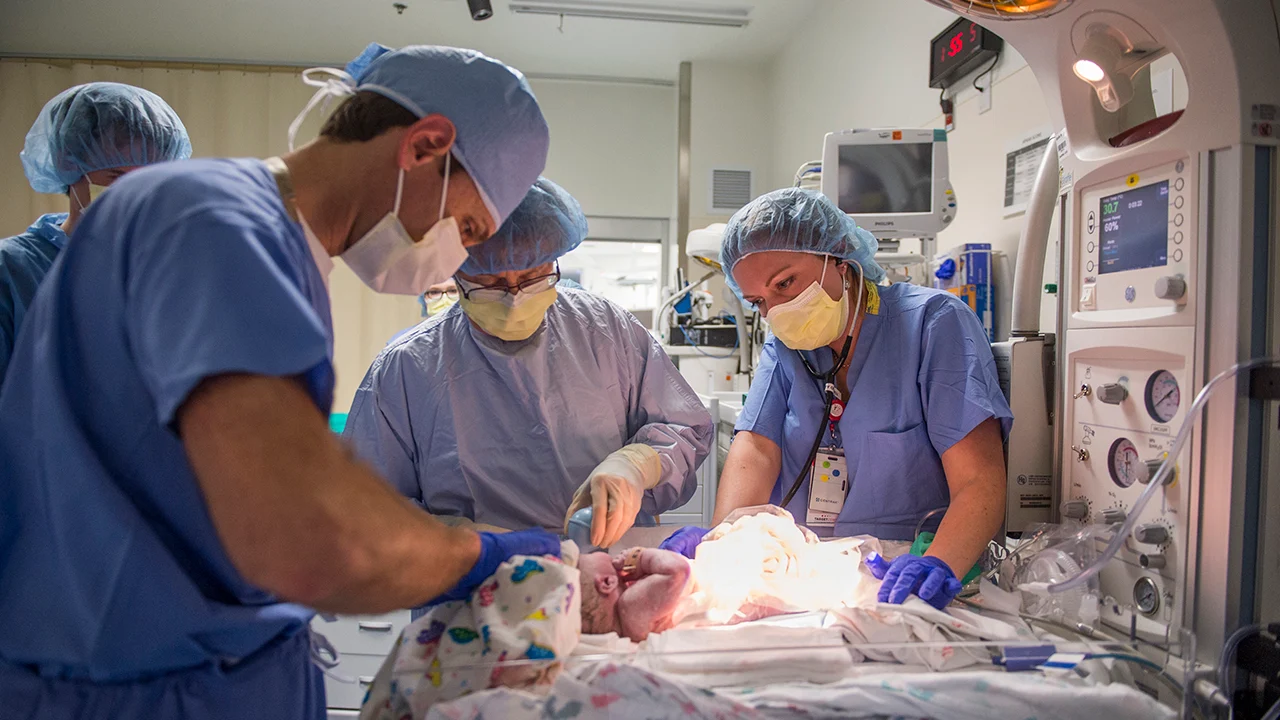
Neonatology is one of the most rewarding and intellectually challenging specialties in medicine. It combines advanced clinical knowledge, cutting-edge technology, multidisciplinary collaboration, and compassionate family-centered care to treat the most vulnerable patients, newborn infants experiencing life-threatening medical conditions.
For students considering a career in pediatrics or critical care, neonatology offers an opportunity to make a profound impact from the very beginning of a patient’s life.
At Windsor University School of Medicine (WUSOM), students receive a strong foundation in basic and clinical sciences while gaining the knowledge, clinical skills, and professional competencies needed to pursue highly specialized fields such as neonatology.
What Is Neonatology?
Neonatology is a pediatrics subspecialty dedicated to the medical care of newborns and premature babies with serious medical conditions that require specialized treatment and intensive care during the first weeks of life. Neonatologists are pediatricians who have completed additional fellowship training in newborn intensive care and hold certification through the American Board of Pediatrics in Neonatal-Perinatal Medicine.
The specialty is almost always practiced in a hospital setting, most commonly within a Neonatal Intensive Care Unit (NICU), where neonatologists manage critically ill infants using advanced monitoring systems, ventilators, imaging technologies, and evidence-based treatment protocols.
Unlike general pediatricians, neonatologists specialize in caring for newborns facing complex health challenges immediately after birth. Neonatologists specialize in diagnosing and treating newborns with complex medical conditions, including prematurity, low birth weight, respiratory distress syndrome, birth defects, congenital heart conditions, neurological disorders, neonatal infections, feeding and digestive disorders, birth trauma, and genetic abnormalities.
These specialists coordinate with pediatric surgeons, cardiologists, neurologists, respiratory therapists, neonatal nurses, nutritionists, and social workers to ensure comprehensive treatment for both infants and their families.
Why Neonatology Matters in Healthcare
Neonatology has dramatically improved survival rates and long-term health outcomes for newborns over the past several decades. Without specialized neonatal care, many newborns with severe respiratory, neurological, cardiovascular, or metabolic disorders would face significantly poorer outcomes.
Newborns, especially those born early or with medical complications, are uniquely vulnerable. Their organ systems are often underdeveloped, their margin for clinical error is thin, and their needs can shift by the hour. Neonatology exists to close that gap, providing the specialized, high-acuity care that general pediatrics is not equipped to deliver alone.
What sets neonatology apart from many other specialties is the sheer breadth of medical knowledge it demands. A neonatologist must be equally comfortable assessing cardiovascular function, neurological development, respiratory mechanics, infectious diseases, and metabolic conditions. It is this combination of complexity and consequence that draws many physicians to the field.
Neonatology contributes to healthcare by:
- Reducing neonatal mortality
- Improving survival among premature infants
- Preventing long-term developmental complications
- Managing life-threatening congenital disorders
- Supporting healthy growth during critical developmental stages
- Providing family-centered education and emotional support
- Advancing neonatal research and innovation
The specialty continues to evolve through improvements in medical technology, genetics, fetal medicine, artificial intelligence, and precision medicine.
Conditions Managed by Neonatologists
Neonatologists diagnose and treat a wide range of complex neonatal conditions, including:
Premature Birth
Premature infants often require respiratory support, nutritional management, infection prevention, and neurological monitoring because many organ systems have not fully developed.
Respiratory Disorders
Common respiratory conditions include:
- Respiratory distress syndrome
- Pulmonary hypertension
- Apnea of prematurity
- Chronic lung disease
Many infants require ventilator support or specialized oxygen therapy.
Congenital Birth Defects
Neonatologists stabilize newborns born with structural abnormalities involving the heart, lungs, digestive tract, kidneys, or nervous system before surgical intervention.
Neurological Conditions
Care includes evaluation and treatment of:
- Seizures
- Brain hemorrhage
- Hypoxic-ischemic encephalopathy
- Developmental complications
Neonatal Infections
Because newborn immune systems are immature, early diagnosis and aggressive treatment of bacterial, viral, and fungal infections are critical.
Feeding and Nutrition
Specialized nutritional management supports healthy growth in infants unable to feed normally due to prematurity or gastrointestinal disorders.
Why Medical Students Should Consider Neonatology
1. A Career at the Frontier of Research
Pediatric and neonatal health remain among the most consistently well-funded areas of medical research in the United States. For students drawn to academic medicine, neonatology offers a rare balance: the ability to practice as both clinician and researcher, actively shaping how newborn care evolves rather than simply applying existing protocols.
2. Unmatched Teamwork and Culture
The NICU operates as one of the most collaborative environments in a hospital. Neonatologists work daily alongside charge nurses, neonatal nurse practitioners, physician assistants, respiratory therapists, social workers, and fellow physicians. Many neonatologists describe the camaraderie built through shared high-stakes decision-making as unlike anything found elsewhere in medicine.
3. A Specialty Built on Human Connection
While the clinical demands are intense, neonatology is equally a specialty of relationships. Neonatologists support not only the infant but also the entire family navigating a NICU stay, answering questions, involving parents in care decisions, and helping them understand their child’s condition and progress. For many physicians in the field, this family-centered dimension of care is as meaningful as the clinical work itself.
4. Constant Clinical Challenges
Neonatology requires advanced critical thinking and rapid decision-making. Every patient presents different physiological challenges, keeping physicians intellectually engaged throughout their careers.
5. Advanced Technology
NICUs are among the most technologically sophisticated environments in healthcare. Students interested in technology-driven medicine often find neonatology especially appealing.
Neonatologists work with:
- High-frequency ventilators
- Point-of-care ultrasound
- Neonatal imaging
- Cardiac monitoring systems
- ECMO technology
- Precision nutrition systems
6. Collaborative Team Environment
Neonatology emphasizes multidisciplinary teamwork. This collaborative approach improves patient outcomes while creating an engaging professional environment.
Physicians collaborate daily with:
- Pediatric surgeons
- Pediatric cardiologists
- Neurologists
- Respiratory therapists
- Neonatal nurses
- Pharmacists
- Social workers
- Nutrition specialists
7. Opportunities for Research
Neonatology remains one of medicine’s most active research fields. Physicians interested in combining clinical practice with research can build highly impactful careers.
Current research areas include:
- Prematurity prevention
- Neonatal genetics
- Stem cell therapies
- Artificial intelligence in NICUs
- Neurodevelopment
- Precision medicine
- Infection prevention
- Long-term developmental outcomes
8. Strong Career Demand
Advances in maternal-fetal medicine and neonatal intensive care continue increasing demand for highly trained neonatologists worldwide. Hospitals with advanced NICUs actively recruit specialists capable of managing increasingly complex neonatal cases.
9. Meaningful Relationships with Families
Neonatologists provide more than medical treatment. Building trust with families often becomes one of the most fulfilling aspects of the specialty.
They guide families through emotionally challenging experiences by:
- Explaining complex diagnoses
- Providing emotional reassurance
- Helping parents participate in care
- Preparing families for discharge
- Supporting long-term follow-up
10. Make a Lifelong Difference
Few specialties offer the opportunity to save lives during the earliest moments of human existence. Helping critically ill newborns recover and watching them leave the hospital healthy is incredibly rewarding.
What Does a Neonatologist Do?
A neonatologist’s responsibilities extend far beyond treating newborn illnesses.
Their daily responsibilities may include:
- Stabilizing critically ill newborns after delivery
- Performing emergency neonatal resuscitation
- Managing ventilators and life-support equipment
- Monitoring growth and development
- Coordinating multidisciplinary treatment plans
- Counseling parents and families
- Performing specialized neonatal procedures
- Collaborating with obstetricians before high-risk deliveries
- Participating in clinical research
- Teaching medical students and residents
Every day presents unique diagnostic and treatment challenges, making neonatology an intellectually stimulating career.
How WUSOM Prepares Future Neonatologists
Pursuing neonatology requires a strong foundation in general pediatrics, sharp clinical reasoning across multiple organ systems, and early, structured exposure to high-acuity settings. WUSOM’s curriculum and clinical training model are designed to build that foundation from the earliest terms of medical school.
Choosing the right medical school is the first step toward a successful specialty career. At Windsor University School of Medicine, students receive a comprehensive medical education designed to prepare them for competitive residency training across multiple specialties, including pediatrics and neonatology.
1. Rigorous Foundational Sciences
WUSOM’s Basic Sciences curriculum builds the physiology, embryology, and systems-based knowledge that neonatology demands, with an emphasis on integrated, case-based learning from day one.
2. Integrated Clinical Education
WUSOM integrates clinical reasoning throughout the curriculum, allowing students to connect foundational sciences with real-world patient care.
Students learn to:
- Interpret laboratory findings
- Develop differential diagnoses
- Apply evidence-based treatment plans
- Strengthen patient communication skills
These competencies are essential for future pediatric and neonatal physicians.
3. Early Clinical Exposure
Students engage with real clinical environments earlier than many traditional programs, building comfort with high-stakes, fast-moving care settings well before residency.
4. Clinical Skills and Simulation Training
Students gain practical experience through simulation-based medical education that reinforces the following:
- Physical examination techniques
- Clinical decision-making
- Emergency response
- Team communication
- Patient safety
Simulation training helps prepare students for high-acuity clinical environments such as neonatal intensive care units.
5. Core Clinical Rotations
Clinical rotations in pediatrics provide direct exposure to newborn care, giving students the chance to observe and participate in the multidisciplinary team model central to NICU practice.
6. Clinical Rotations at Affiliated Teaching Hospitals
Through WUSOM’s network of academic and clinical affiliates, students train at hospital sites equipped to expose them to the pediatric and neonatal care pathway in a structured, mentored setting.
WUSOM students complete clinical rotations at affiliated teaching hospitals and healthcare institutions, where they gain valuable exposure to core medical disciplines.
Pediatric rotations allow students to
- Care for infants and children
- Observe newborn assessments
- Participate in multidisciplinary healthcare teams
- Develop patient-centered clinical skills
These experiences help students explore specialties such as neonatology while preparing for residency.
7. USMLE and Residency Preparation
A curriculum aligned with USMLE Step 1 and Step 2 CK, combined with dedicated academic advising, helps students build the board-certification pathway required to enter pediatrics and, later, neonatal-perinatal fellowship training.
A successful career in neonatology begins with a strong residency application. WUSOM supports students through comprehensive preparation for the United States Medical Licensing Examination (USMLE), helping graduates build competitive residency profiles.
8. Mentorship and Career Advising
Faculty and advising teams support students in identifying pediatric-focused electives, research opportunities, and residency programs aligned with a future in neonatology.
Experienced faculty members mentor students throughout medical school by providing:
- Academic advising
- Career guidance
- Clinical mentorship
- Research opportunities
- Residency preparation support
This individualized guidance helps students confidently pursue pediatric and neonatal career pathways.
Because neonatology combines the principles of pediatrics with the demands of intensive care medicine, a successful career in this specialty begins with a strong foundation in medical education long before fellowship training. WUSOM’s approach is designed to give students that foundation, along with the clinical exposure and mentorship needed to pursue competitive pediatric residencies and, ultimately, neonatal-perinatal fellowship training.
How to Become a Neonatologist
The journey to becoming a neonatologist requires extensive education and specialized training.
A typical pathway includes the following:
Step 1: Earn an MD Degree
Students first complete medical school and earn a Doctor of Medicine (MD) degree.
Step 2: Complete Pediatric Residency
Graduates complete a three-year residency in pediatrics, where they gain comprehensive experience caring for infants, children, and adolescents.
Step 3: Complete Neonatal-Perinatal Fellowship
Following residency, physicians complete an additional three-year fellowship in Neonatal-Perinatal Medicine.
Training includes:
- NICU management
- Advanced neonatal procedures
- Neonatal transport medicine
- High-risk obstetrics collaboration
- Research
- Clinical leadership
Step 4: Board Certification
Physicians become board-certified after successfully completing certification requirements established by the appropriate medical boards.
Essential Skills for Future Neonatologists
Successful neonatologists possess a combination of technical expertise and interpersonal skills.
These include:
- Strong clinical judgment
- Compassion and empathy
- Emotional resilience
- Excellent communication
- Attention to detail
- Leadership
- Critical thinking
- Team collaboration
- Adaptability
- Commitment to lifelong learning
These qualities are developed throughout medical school, residency, and fellowship.
Is Neonatology the Right Specialty for You?
If you enjoy critical care, physiology, pediatrics, teamwork, and solving complex medical problems while making a lifelong difference in patients’ lives, neonatology may be an excellent specialty choice. Although the pathway requires years of dedicated training, the opportunity to improve the lives of newborns and their families makes it one of medicine’s most meaningful careers.
Begin Your Journey at Windsor University School of Medicine
Every neonatologist begins with a strong medical education. At Windsor University School of Medicine, students develop the scientific knowledge, clinical experience, professionalism, and critical thinking skills needed to pursue competitive specialties such as neonatology. Through an integrated curriculum, experienced faculty, clinical training opportunities, and comprehensive USMLE preparation, WUSOM equips future physicians with the foundation to excel in pediatric medicine, neonatal care, and beyond.
Whether your goal is to work in a Neonatal Intensive Care Unit, contribute to groundbreaking neonatal research, or improve outcomes for the world’s most vulnerable patients, your journey starts with choosing the right Caribbean medical school, and WUSOM is committed to helping you achieve that goal. Apply today.